Custom Membrane Structures for Environmental Engineering
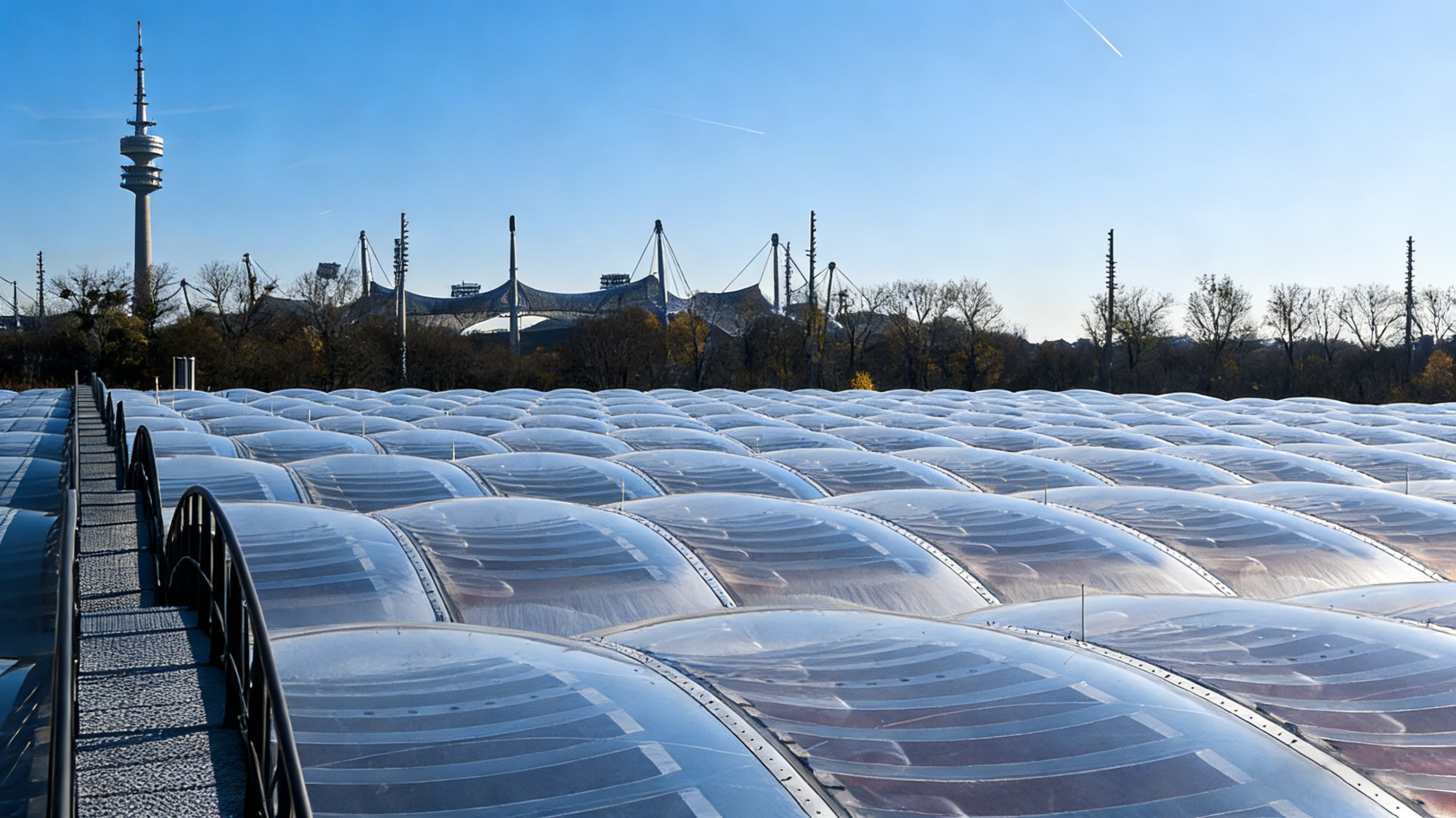
Environmental engineering membrane structures provide customized covering and enclosure solutions for wastewater treatment plants, bulk material storage yards, waste management facilities and industrial sites.
Timi develops project-based systems that combine architectural membrane materials with engineered steel frameworks. Each solution is designed around the facility layout, required enclosure level, operational access and environmental conditions.
Depending on the application, membrane structures can provide weather protection, form part of an odor containment system or support the enclosure of dust-generating operations. The complete environmental control strategy must be evaluated separately.
Environmental Membrane Structure Applications
Different industrial facilities require different enclosure designs. The appropriate system depends on the materials being handled, process conditions and environmental control objectives.
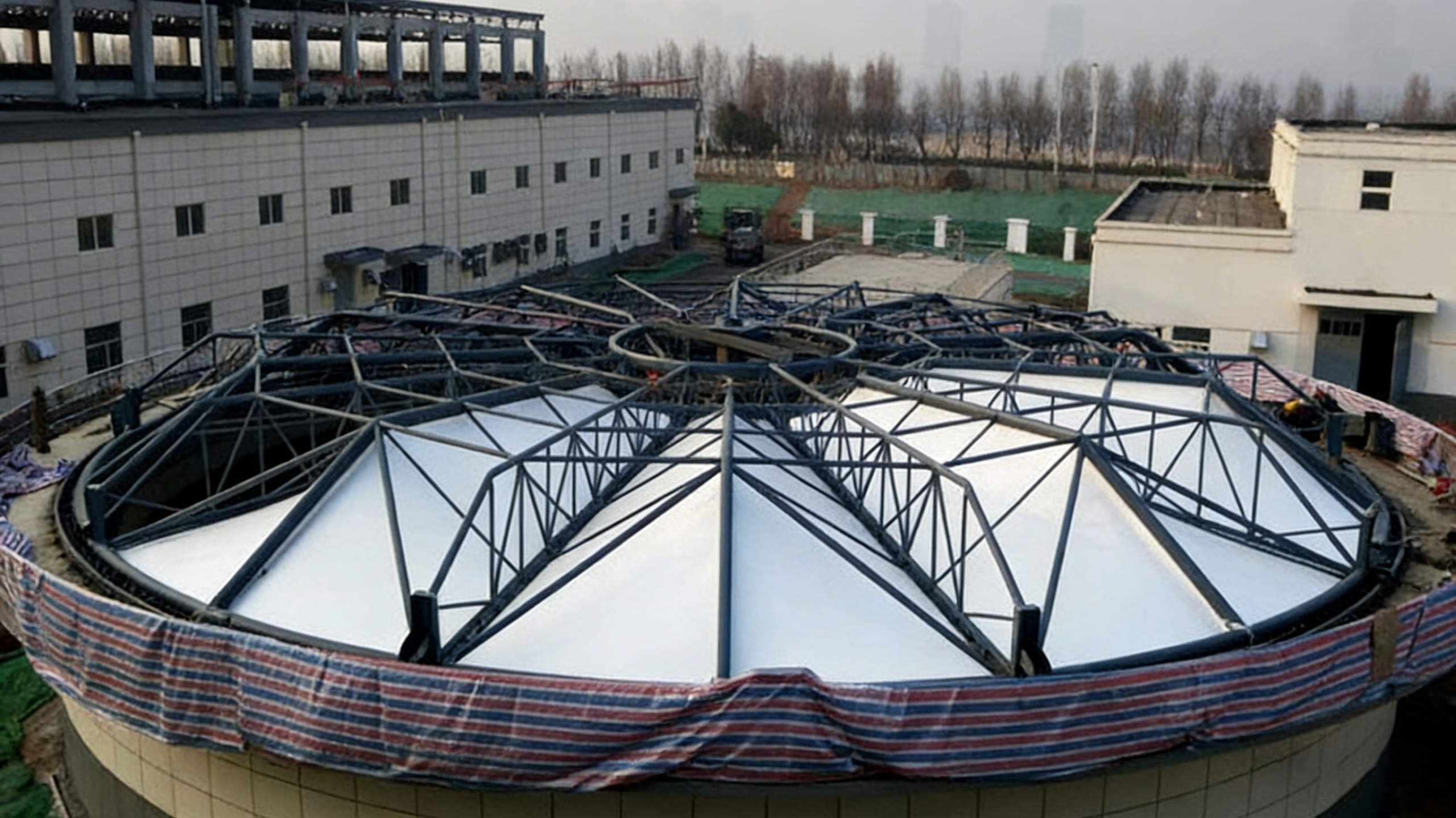
Wastewater Treatment Tank Covers
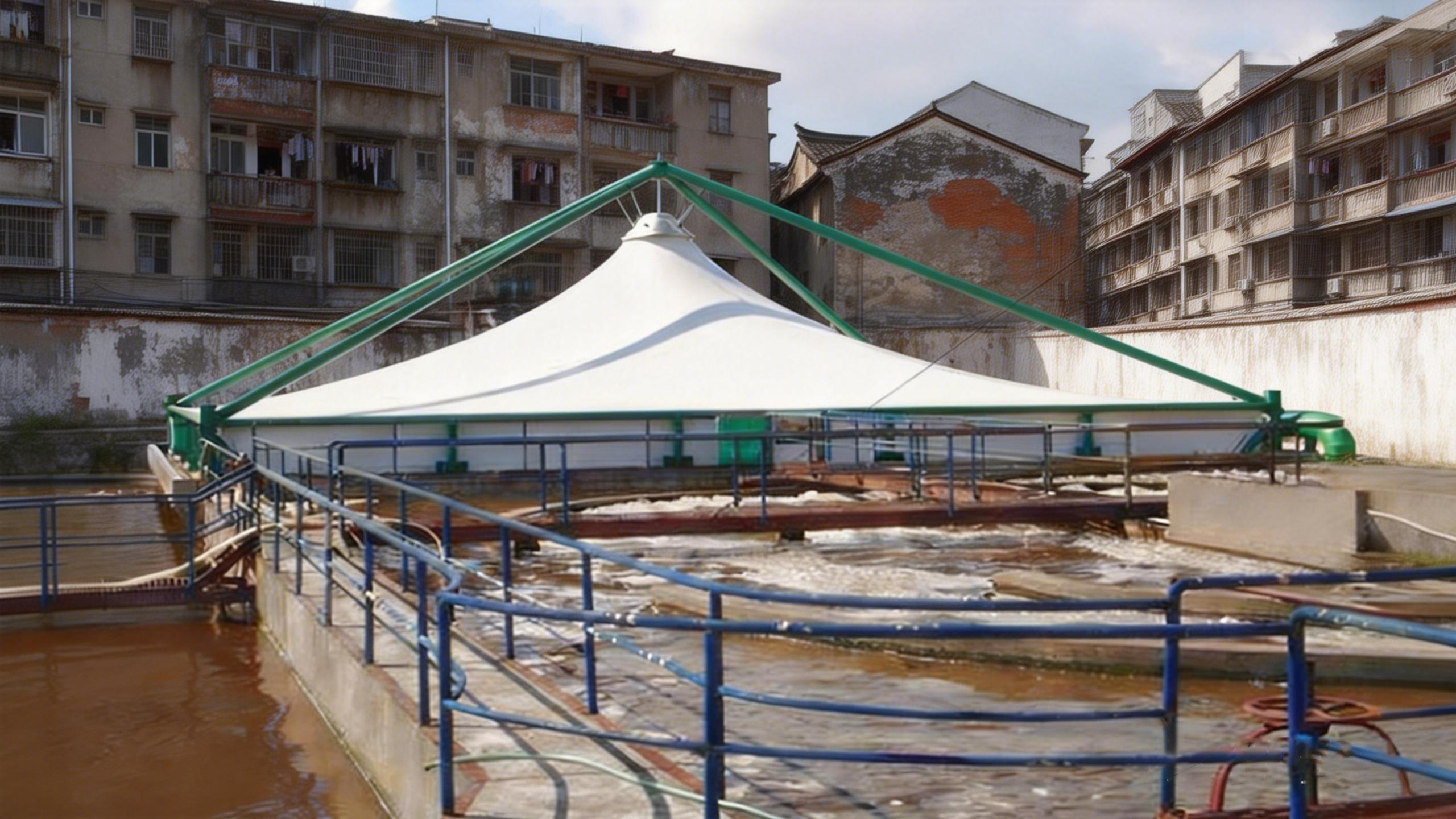
Membrane covers can be designed for suitable wastewater tanks and treatment areas where odor containment and equipment protection are required.
Tank geometry, access openings, sealing details and exhaust connections must be coordinated with the treatment process. Where odor control is required, the cover should be integrated with an appropriately designed air collection and treatment system.
Coal and Bulk Material Storage
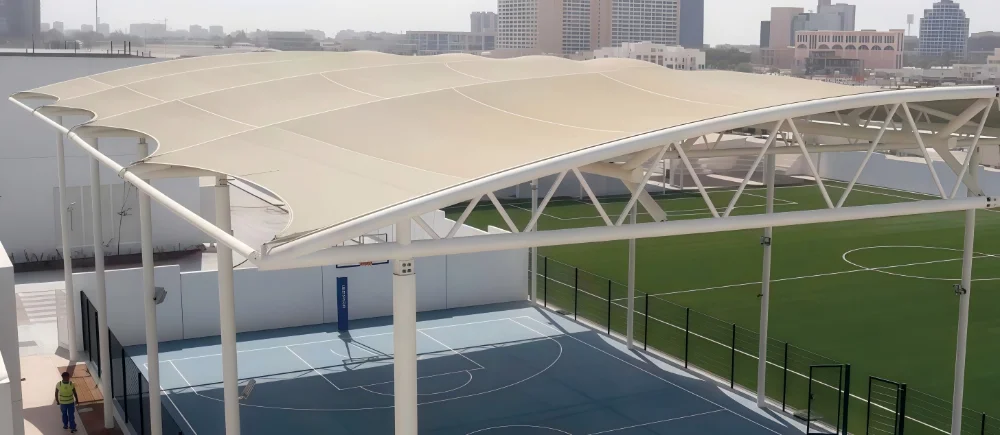
Large-span membrane structures can provide roof coverage for coal, aggregates, mineral materials and other industrial stockpiles.
Roof height, clear span, loading equipment, vehicle routes and ventilation should be considered during design. Where airborne dust is a concern, the required enclosure level and dust collection measures must be determined for the specific operation.
Waste Management Facilities
Membrane enclosures can be considered for waste transfer stations, sorting areas and recycling facilities where weather protection or process enclosure is required.
Design considerations include vehicle access, loading operations, ventilation, maintenance and the collection of process emissions where necessary.
For an overview of other applications, explore our guide to tensile membrane structure applications, covering sports venues, commercial facilities, agricultural projects and industrial enclosures.
Key Engineering Considerations
Industrial membrane structures must be coordinated with the operating conditions of each facility. The following requirements should be reviewed before the enclosure design is finalized.
Enclosure and Ventilation
The required enclosure level depends on whether the project is intended primarily for weather protection, dust containment or odor control. Open-sided shelters and sealed enclosures serve different purposes.
Where gases or odors must be collected, exhaust openings, air movement and connections to treatment equipment should be coordinated with the environmental system designer.
Corrosion Protection
Wastewater and industrial facilities may expose structural components to humidity, chemical vapors or corrosive condensate.
Membrane materials, steel coatings, fasteners and connection details should be selected according to the actual exposure conditions. Chemical resistance must be verified for the substances present at the site.
Structural Design and Operational Access
The supporting steel framework must be designed for applicable wind, snow and other project loads.
Column positions, roof clearance and structural connections should also accommodate operating equipment and vehicle movement. Maintenance openings, inspection routes and access to existing process equipment should be considered early in the design.
Drainage and Environmental Safety
Roof geometry, gutters and rainwater discharge should be coordinated with the facility drainage system.
For combustible materials or potentially hazardous gases, the enclosure design must also account for the relevant fire, ventilation and explosion hazards identified by qualified specialists.
Membrane Materials and Steel Frameworks
Material selection should reflect the required enclosure performance, environmental exposure, structural design and applicable project standards.
- PVDF-coated PVC fabric: A flexible architectural membrane option for suitable industrial roof and enclosure applications. The selected grade must be checked against the actual exposure conditions.
- PTFE-coated fiberglass: An alternative architectural membrane system where its material properties and fabrication characteristics meet project requirements.
- Steel supporting structure: The framework and connections can be specified with suitable corrosion-protection systems according to the structural design and site environment.
Membrane strength, chemical compatibility, fire classification and expected service life must be confirmed using the selected materials' technical documentation.
For a detailed comparison of architectural membrane materials, read our guide to PVDF vs PTFE vs ETFE membrane materials. Final selection for industrial environments must also account for chemical exposure and the required enclosure performance.
Technical Information for Your Environmental Project
Every environmental enclosure requires a project-specific design. To evaluate a suitable configuration and prepare an initial quotation, please provide the following information where available.
| Project Information | Details Required |
|---|---|
| Application | Wastewater treatment, material storage, waste handling or other industrial use. |
| Facility Dimensions | Site layout, required span, roof height and approximate covered area. |
| Enclosure Requirements | Weather protection, partial enclosure or a defined containment requirement. |
| Environmental Conditions | Humidity, relevant chemical exposure, dust characteristics and design loads. |
| Operational Access | Vehicle clearance, equipment dimensions, maintenance openings and access routes. |
| Project Scope | Required engineering coordination, fabrication, delivery and installation support. |
Preliminary drawings, site photographs or approximate dimensions are sufficient for an initial discussion. For projects requiring odor or dust control, please also provide the available ventilation and environmental system requirements.
Contractors preparing a detailed procurement package can also review our membrane structure project workflow to understand drawing coordination, fabrication preparation and delivery responsibilities.
Note: Membrane enclosure performance, emission control results and regulatory compliance depend on the complete project design and must be verified against applicable requirements.
Request an Environmental Membrane Structure Quotation
Planning a wastewater treatment enclosure, bulk material storage roof or industrial environmental project? Share your facility drawings, location, dimensions and operating requirements with Timi.
Our team can review the available information and discuss suitable membrane configurations, structural requirements and the fabrication scope.