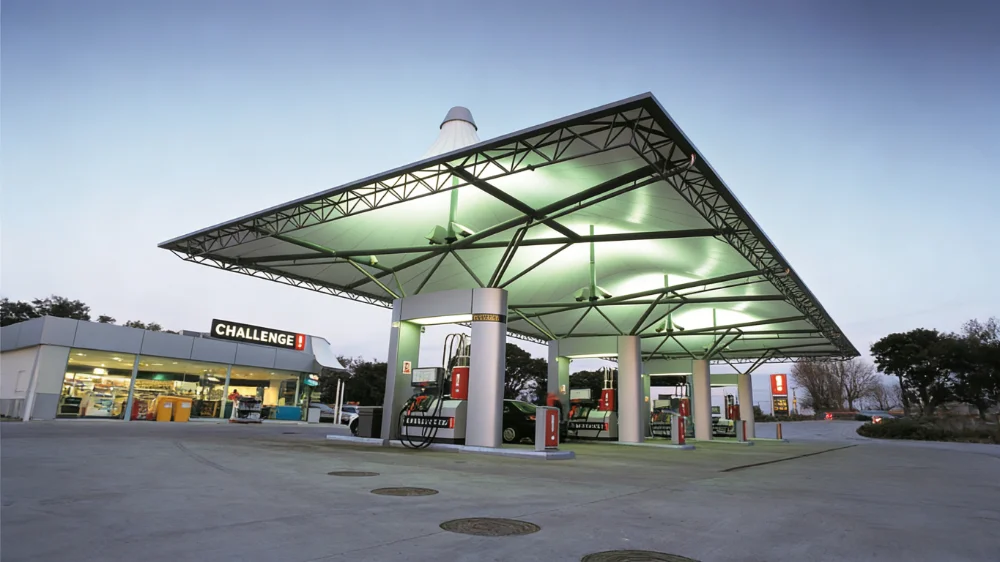
Service Station and EV Charging Canopies for Vehicle-Use Sites
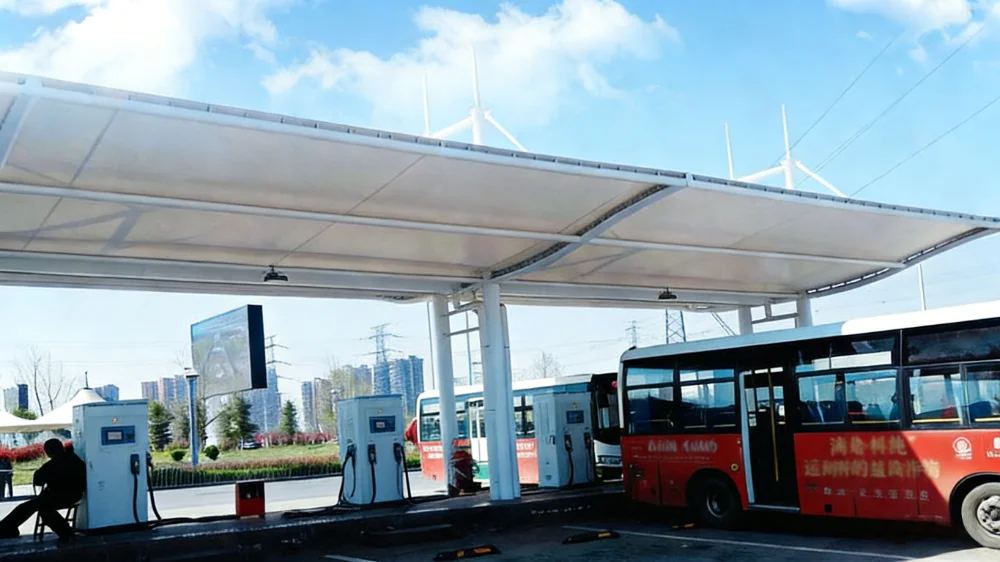
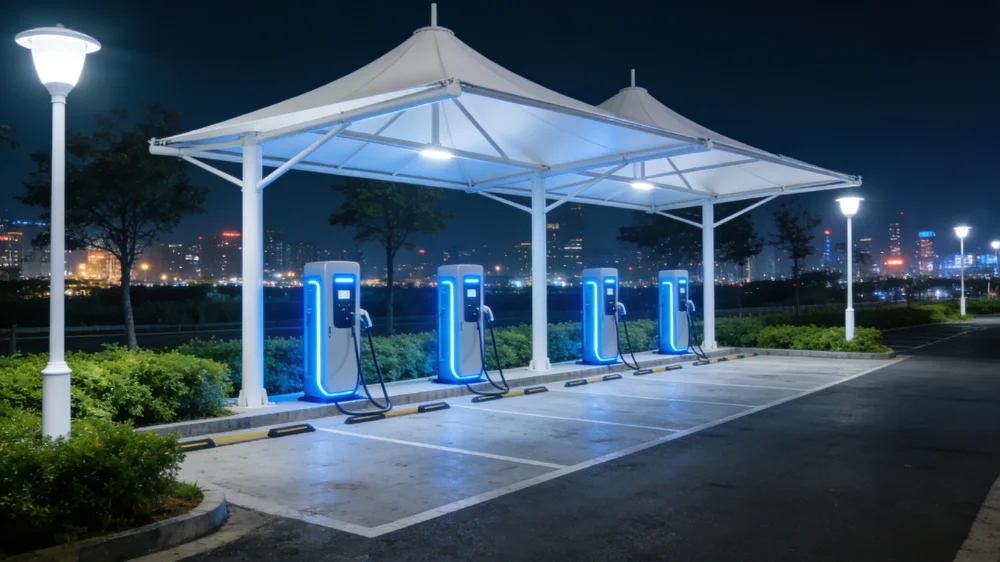
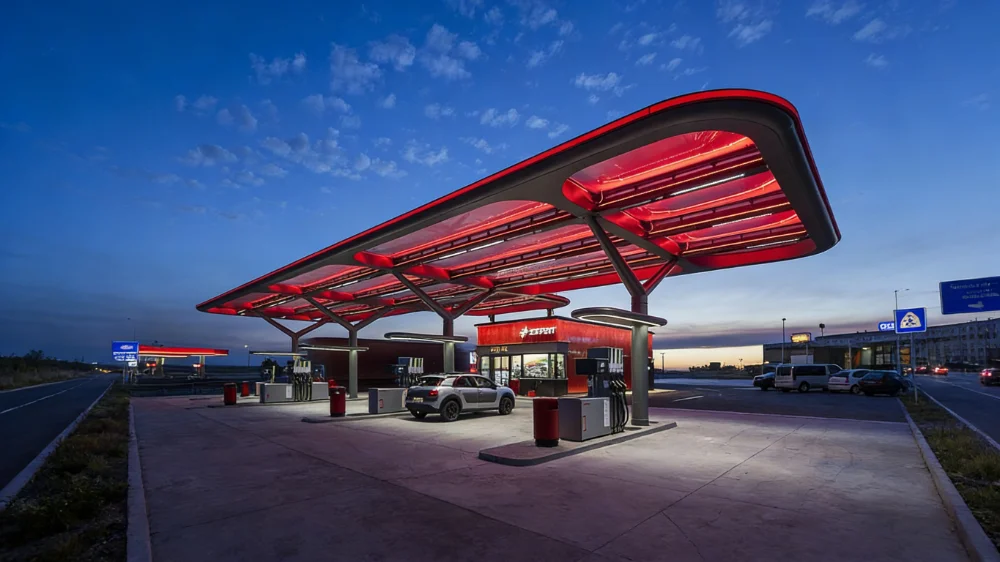
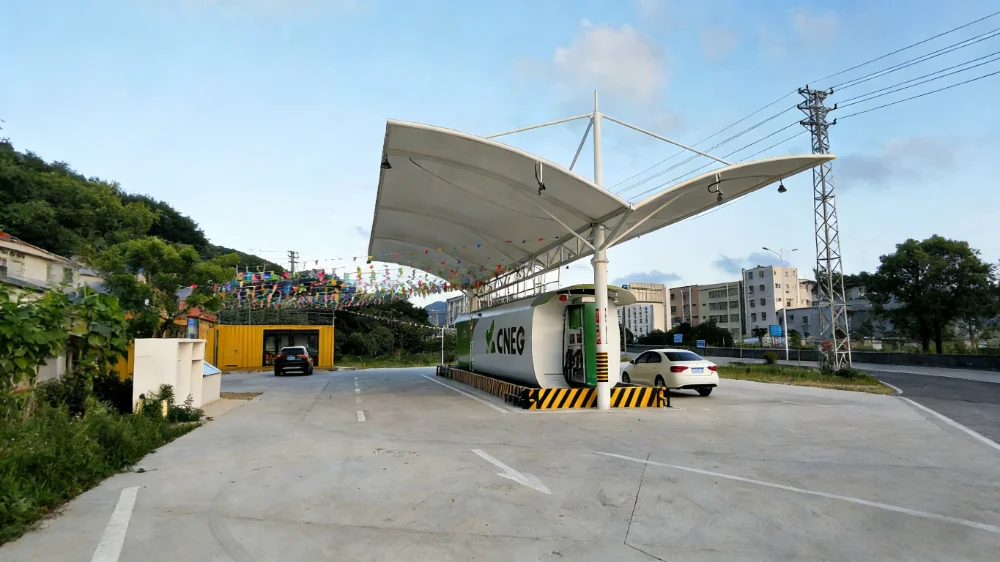
Service station and EV charging canopies are used for fuel stations, EV charging areas, roadside service zones, transport service points, commercial parking facilities, and vehicle-use sites that require weather protection, clear vehicle movement, equipment protection, and a recognizable station appearance.
Unlike a general shade canopy, a service station canopy must be planned around vehicle clearance, charging or fueling equipment, queuing routes, turning space, lighting, signage, drainage discharge, maintenance access, and long-term outdoor exposure. The structure should protect vehicles, users, equipment, and working areas without interfering with daily station operation.
Timi supports custom tensile membrane canopy projects for service stations and EV charging areas with membrane material selection, steel frame coordination, vehicle clearance review, drainage planning, wind load consideration, fabrication preparation, export packing, and installation-related documentation for overseas projects.
Where Service Station and EV Charging Canopies Are Used
Service station canopy structures can be adapted to different vehicle-use environments. The canopy layout should be reviewed according to the site function, traffic flow, equipment positions, vehicle type, and local climate conditions.
| Application Area | Typical Design Focus |
|---|---|
| EV Charging Stations | Weather protection for charging piles, vehicles, cable areas, users, and waiting zones |
| Fuel Stations | Canopy coverage around fueling points, payment areas, service islands, and vehicle lanes |
| Roadside Service Zones | Shade and rain protection for vehicles, service areas, pedestrian zones, and rest points |
| Transport Service Points | Canopies for vehicle-use facilities, transfer areas, and public transport service zones |
| Commercial Charging Areas | Covered charging zones for shopping centers, office parks, hotels, and mixed-use developments |
| Fleet Charging Facilities | Canopies for electric buses, logistics vehicles, company fleets, and depot charging areas |
| Parking and Charging Combined Sites | Integrated shade structures for parking bays with EV charging equipment |
| Highway Service Facilities | Larger canopy layouts for high-traffic service areas and long-term outdoor use |
For an EV charging station, the canopy should protect charging equipment and users while keeping cable movement, vehicle access, and maintenance work clear. For fuel station or roadside service projects, the canopy must also consider fueling islands, vehicle turning paths, lighting, signage, and rainwater discharge.
Design Points That Should Be Confirmed Early
A service station or EV charging canopy should be reviewed as part of the full vehicle-use site. Many site problems come from details that are not confirmed early, such as column positions, equipment layout, drainage direction, clearance height, or conflicts with signage and lighting.
Key points to confirm include:
- Vehicle entry, exit, queuing, and turning routes
- Required clear height for cars, SUVs, vans, buses, or service vehicles
- Charging pile, fuel dispenser, control cabinet, or service island positions
- Column layout and safe distance from vehicle lanes
- Cable movement, user access, and maintenance space around EV chargers
- Lighting, signs, cameras, height-limit indicators, and wayfinding systems
- Drainage slope, gutter direction, and final water discharge points
- Rainwater control near charging equipment, fueling points, and pedestrian zones
- Wind exposure, rainfall, snow load, dust, and exhaust conditions
- Steel frame corrosion protection and surface finish
- Maintenance access for lights, membrane surface, drainage parts, and equipment
- Installation route, lifting access, and available site working space
- Foundation position, anchor bolts, underground utilities, and existing paving
For EV charging and service station projects, the canopy should not only provide shade. It should help keep the site safe, organized, and practical for daily vehicle movement and equipment maintenance.
Vehicle Clearance and Equipment Protection
Vehicle clearance is one of the most important design considerations for service station canopy projects. The canopy should provide enough vertical clearance for the vehicles expected to use the site, including passenger cars, SUVs, vans, fleet vehicles, buses, trucks, or maintenance vehicles.
Column placement also needs careful review. Supports should not block charging bays, fuel dispensers, vehicle doors, cable movement, emergency access, signage, or maintenance routes. For EV charging stations, enough space should be left around chargers, cables, and control cabinets. For fuel station projects, the canopy layout should respect service islands, equipment access, and vehicle circulation.
A practical service station canopy should support:
- Clear vehicle movement
- Safe equipment access
- Protection for charging or fueling areas
- Comfortable user waiting zones
- Visibility of signs, lights, and payment points
- Maintenance access for equipment and canopy components
- Drainage away from electrical or service areas
If these points are not reviewed during early design, the canopy may create operational problems even if the structure itself is well fabricated.
Membrane Material Options
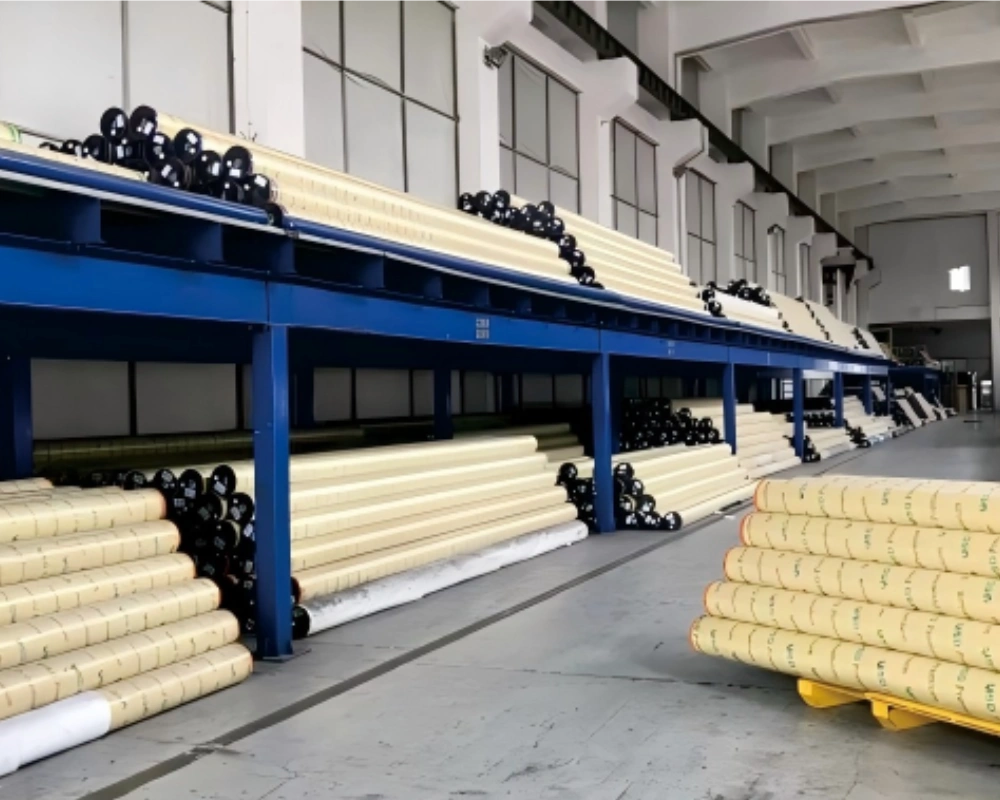
Service station and EV charging canopies are exposed to sun, rain, wind, dust, vehicle exhaust, equipment heat, and long-term outdoor conditions. Material selection should consider service life, cleaning access, appearance, fire requirements, budget, and local climate.
PVC/PVDF Membrane
PVC/PVDF membrane is commonly used for practical outdoor service station canopies, EV charging area covers, roadside service shelters, and transport facility shade structures. It provides weather resistance, flexible form options, and controlled project cost.
This material is often suitable when the project needs an efficient, lightweight, and cost-controlled canopy for daily vehicle-use areas.
PTFE Membrane
PTFE membrane may be considered for larger, more permanent, or higher-specification service station canopy projects. It offers stronger long-term weather resistance and is suitable for public infrastructure, transport service areas, and sites that require better durability.
ETFE Film
ETFE can be used where transparency, daylight transmission, or a lighter architectural roof effect is required. It may be suitable for selected charging stations, commercial service areas, or transport facilities where natural light and modern appearance are part of the design requirement.
For service station projects, material selection should also consider vehicle exhaust, dust accumulation, cleaning limitations above active vehicle lanes, and long-term exposure near equipment zones.
Steel Frame, Corrosion Protection, and Drainage
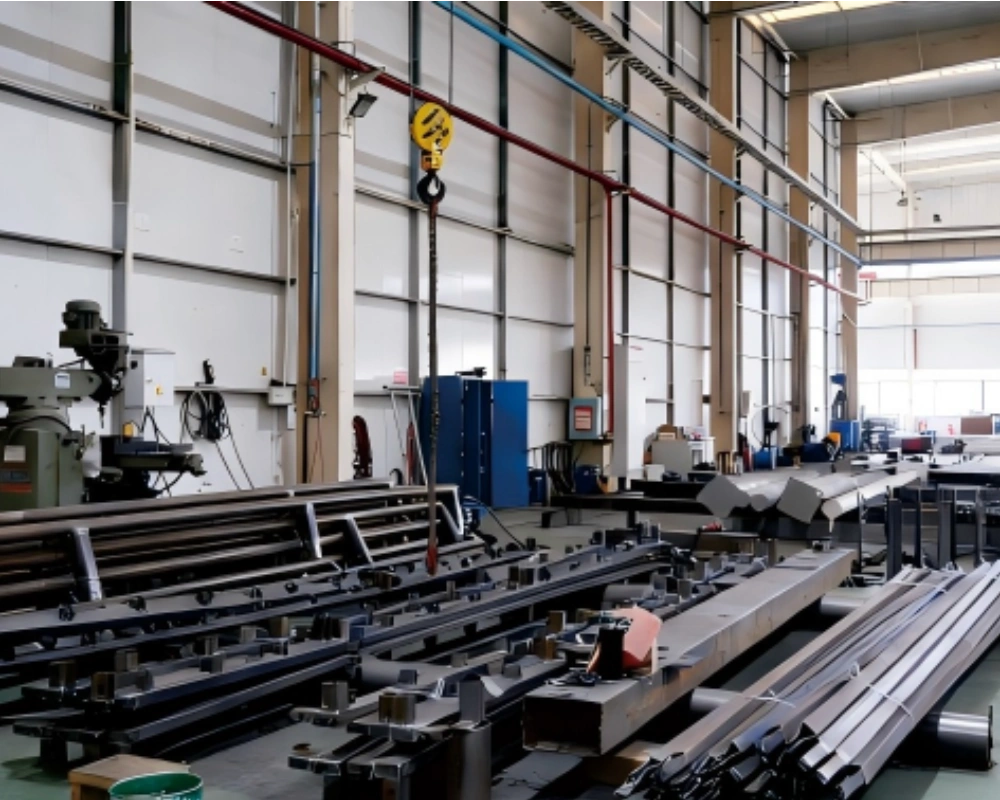
The steel frame is a critical part of a service station canopy. It must support membrane tension, resist wind loads, maintain vehicle clearance, and remain stable under long-term outdoor exposure.
Important steel and drainage details include:
- Column and beam arrangement around vehicle lanes
- Base plate and anchor bolt layout
- Connection between membrane edges and steel members
- Hot-dip galvanizing or coating specification
- Protection for welded areas and connection plates
- Drainage slope and gutter coordination
- Water discharge away from chargers, fuel dispensers, equipment cabinets, and pedestrian zones
- Space for lighting, signs, cameras, cable systems, and maintenance access
- Component marking for site installation
- Packing sequence for overseas delivery
For EV charging areas, drainage must avoid electrical equipment, cable zones, and user waiting areas. For fuel station or service zone projects, water discharge should be directed away from fueling points, vehicle lanes, service islands, and walking routes.
Custom Layouts for Different Service Station Projects
Service station canopy projects vary widely. Some sites need a simple roof over a few charging bays, while others require larger canopy systems for multiple lanes, charging islands, service points, or mixed vehicle areas.
Timi can support different canopy directions, including:
- EV charging station canopy layouts
- Fuel station canopy structures
- Roadside service zone canopies
- Fleet charging area covers
- Commercial charging and parking canopy systems
- Highway service facility canopy layouts
- Single-row or multi-bay vehicle canopy structures
- Canopy extensions for pedestrian waiting areas
- Custom steel frame colors and surface finishes
- Membrane forms based on architectural appearance
- Drainage and gutter coordination
- Layout adjustment around chargers, dispensers, lights, signs, cameras, and service equipment
For vehicle-use sites, the best canopy design should be visually clean, structurally practical, safe for vehicle movement, and easy for local contractors to install and maintain.
Fabrication and Overseas Project Support
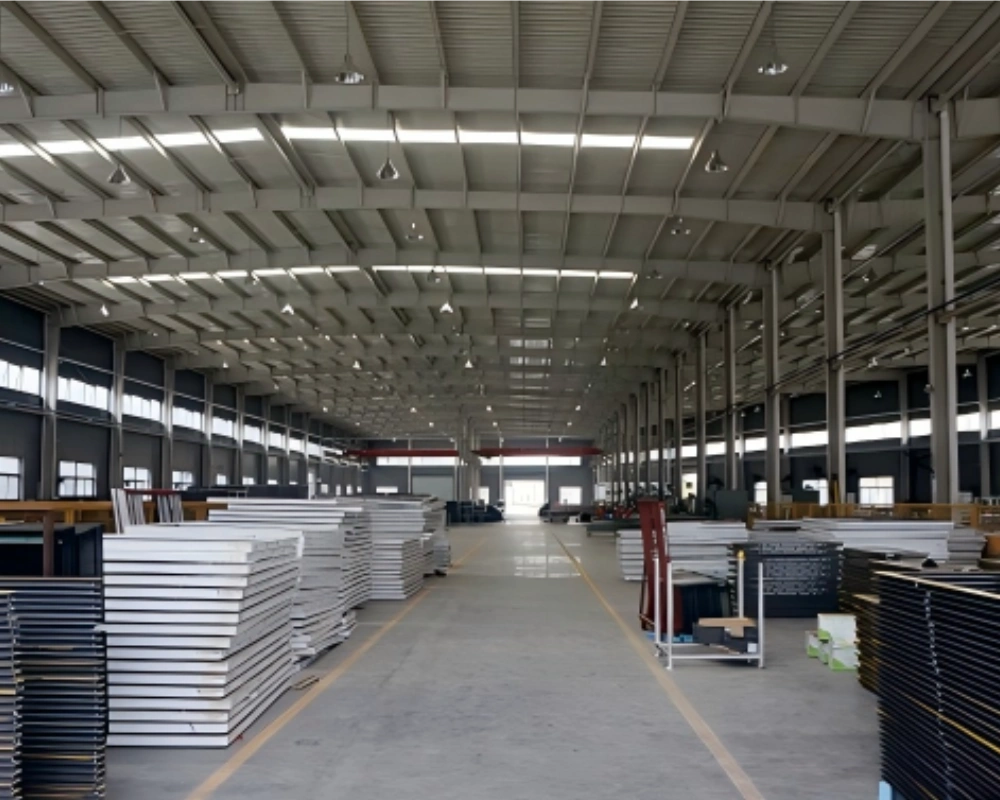
Timi supports service station and EV charging canopy projects from early communication to fabrication and shipment preparation. For overseas projects, clear drawings, component marking, and packing logic are important because local contractors often handle foundation and installation after the goods arrive on site.
Project support may include:
- Reviewing drawings, site photos, or preliminary layouts
- Confirming suitable membrane material options
- Coordinating steel frame and membrane connection details
- Reviewing vehicle clearance, support layout, and drainage direction
- Checking charging pile positions, fuel dispenser areas, signage, lighting, and equipment conflicts
- Preparing components according to confirmed drawings
- Marking membrane and steel components for site installation
- Supporting packing and loading for overseas shipment
- Providing installation-related drawings or technical communication
For overseas service station projects, component marking and installation documentation are especially important because the structure may be installed around charging islands, fuel points, lighting systems, signage, cable routes, active vehicle lanes, and existing paved areas.
Related Engineering Support
Service station and EV charging canopies should be evaluated as complete vehicle-use structures. In addition to the visible membrane roof, buyers may also need to review foundation, steel frame protection, drainage, equipment clearance, installation sequence, and local compliance requirements.
For these projects, foundation position, equipment layout, vehicle clearance, steel corrosion protection, and drainage discharge should be reviewed together before fabrication. These factors are especially important when the canopy is installed above charging bays, fueling points, service lanes, or existing operating areas.