Modern Tensile Membrane Structures for Agricultural, Horticultural, and Plantation Applications
As modern agriculture continues to evolve, growers and agricultural investors are seeking innovative infrastructure solutions that improve crop productivity while reducing operational costs. Membrane greenhouses have emerged as an efficient alternative to traditional greenhouse systems, offering excellent natural lighting, weather protection, energy efficiency, and large-span coverage.
Designed with high-performance tensile membrane materials and durable steel structures, membrane greenhouses create ideal growing environments for vegetables, fruits, flowers, seedlings, tropical plants, and agricultural research projects. Their lightweight construction, attractive appearance, and flexible design make them increasingly popular for commercial farms, agricultural parks, eco-tourism projects, and modern plantations.
What Are Membrane Greenhouses?
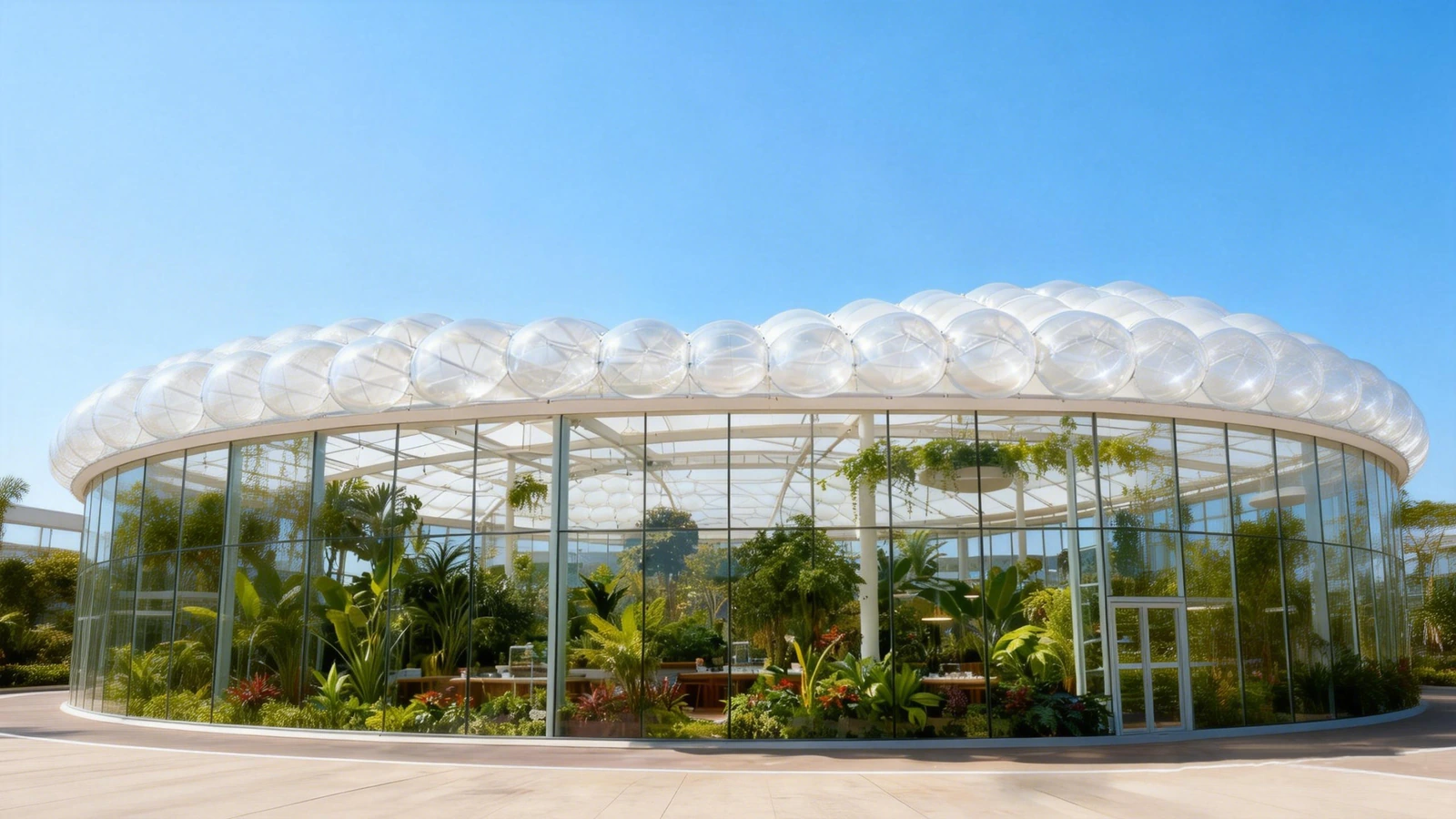
A membrane greenhouse is a specialized agricultural structure that combines a steel support framework with translucent tensile membrane roofing materials. Unlike conventional glass or polycarbonate greenhouses, membrane structures provide large unobstructed spaces, diffused natural lighting, and excellent environmental control capabilities.
These structures are widely used for:
- Vegetable cultivation
- Fruit plantations
- Flower production
- Seedling nurseries
- Agricultural research facilities
- Botanical gardens
- Eco-agriculture projects
- Tropical plant conservatories
The membrane material allows sunlight to enter while helping regulate internal temperatures and protecting crops from adverse weather conditions.
Advantages of Membrane Greenhouses
Excellent Natural Light Transmission
Healthy plant growth depends on adequate sunlight. Membrane materials are designed to provide high levels of light transmission while diffusing sunlight evenly throughout the greenhouse.
Benefits include:
- Improved photosynthesis
- Uniform crop growth
- Reduced shadow areas
- Better growing conditions
Large-Span Growing Space
Traditional greenhouses often require numerous support columns that limit planting layouts.
Membrane structures offer:
- Wider clear spans
- More usable cultivation space
- Improved machinery access
- Flexible crop arrangement
Weather Protection
Membrane greenhouses help protect crops from:
- Heavy rainfall
- Strong winds
- Hail
- Excessive sunlight
- Dust and debris
This creates a more stable environment for year-round agricultural production.
Energy Efficiency
Advanced membrane materials help optimize internal environmental conditions by balancing light transmission and thermal performance.
Advantages include:
- Reduced heating requirements
- Lower cooling costs
- Improved climate control efficiency
- Reduced operational expenses
Attractive Architectural Design
Modern membrane greenhouses provide a visually appealing appearance that is particularly valuable for:
- Agricultural tourism projects
- Ecological parks
- Botanical gardens
- Educational facilities
- Demonstration farms
Applications
Vegetable Production Greenhouses
Ideal for cultivating:
- Tomatoes
- Cucumbers
- Peppers
- Lettuce
- Leafy vegetables
- Hydroponic crops
Fruit Plantations
Suitable for:
- Strawberry cultivation
- Blueberry farms
- Grape plantations
- Tropical fruit production
- Specialty fruit growing facilities
Flower and Nursery Greenhouses
Create controlled environments for:
- Flower cultivation
- Ornamental plants
- Seedling propagation
- Landscape nursery production
Botanical Gardens
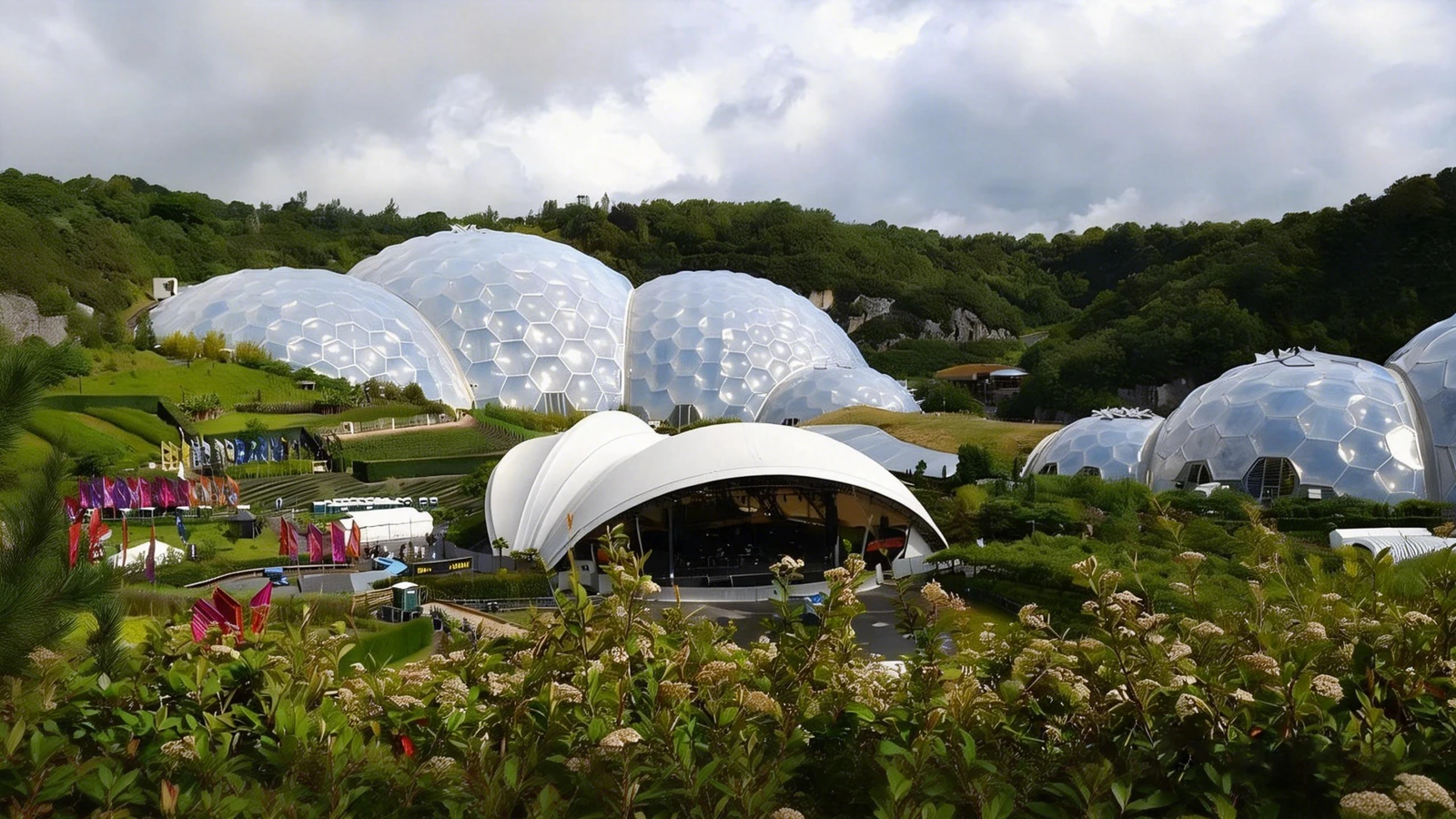
Large-span membrane structures provide ideal protection for rare and exotic plant collections while maintaining attractive visitor environments.
Agricultural Research Facilities
Research institutions and universities utilize membrane greenhouses for:
- Crop testing
- Plant breeding
- Climate studies
- Agricultural innovation projects
Key Features
High-Strength Steel Framework
Engineered structural systems provide long-term durability and stability.
Durable Membrane Materials
Available membrane options include:
- PVDF Membrane
- PTFE Membrane
- ETFE Membrane
- PVC Agricultural Membrane
UV Protection
Specialized materials help manage ultraviolet exposure while maintaining suitable growing conditions.
Corrosion Resistance
Galvanized steel structures provide excellent resistance to moisture and agricultural environments.
Long Service Life
Designed for reliable long-term operation under various climatic conditions.
Technical Specifications
| Item | Specification |
|---|---|
| Membrane Material | PVDF, PTFE, ETFE, PVC |
| Structure Material | Hot-Dip Galvanized Steel |
| Light Transmission | Customized According to Crop Requirements |
| Span Width | Custom Design Available |
| Wind Resistance | Engineered to Local Standards |
| Snow Load Capacity | Customized by Region |
| Design Life | 15–30+ Years |
| Color Options | White, Transparent, Custom Colors |
Custom Greenhouse Solutions
Every agricultural project has unique operational requirements. We provide customized membrane greenhouse solutions based on:
Crop Type
- Vegetables
- Fruits
- Flowers
- Seedlings
- Tropical plants
- Specialty crops
Climate Conditions
Structures are engineered according to:
- Temperature ranges
- Humidity levels
- Wind loads
- Snow loads
- Local agricultural requirements
Project Scale
Suitable for:
- Small commercial farms
- Large agricultural plantations
- Eco-agriculture parks
- Government agricultural projects
- Research facilities
Why Choose Our Membrane Greenhouse Solutions?
Agricultural Engineering Expertise
Extensive experience in agricultural membrane structure projects.
Customized Design Services
Every greenhouse is engineered according to crop requirements and local environmental conditions.
Premium Materials
High-quality membrane fabrics and galvanized steel structures ensure long-term reliability.
Cost-Effective Investment
Lower construction and maintenance costs compared with many traditional greenhouse systems.
Complete Project Support
From planning and engineering to manufacturing and installation guidance, we provide one-stop project solutions.
Frequently Asked Questions
Are membrane greenhouses suitable for commercial farming?
Yes. Membrane greenhouses are widely used for commercial vegetable, fruit, flower, and nursery production due to their large-span design and efficient growing environments.
How long does a membrane greenhouse last?
Depending on the membrane material selected, the structure can provide a service life of 15 to over 30 years.
Can membrane greenhouses withstand strong winds?
Yes. Each structure is engineered according to local wind load requirements and applicable building standards.
Are membrane greenhouses energy efficient?
Yes. The membrane system helps optimize natural lighting and temperature control, reducing energy consumption in many growing environments.
Can the greenhouse be customized?
Absolutely. Dimensions, shape, membrane material, ventilation systems, and environmental control features can all be tailored to specific agricultural needs.
Request a Quote for Your Agricultural Project
Looking for a reliable membrane greenhouse manufacturer for your plantation, agricultural facility, nursery, or botanical garden project?
Our team provides customized membrane greenhouse solutions designed to improve growing conditions, maximize usable space, and support long-term agricultural productivity.
Contact us today for:
✓ Free Project Consultation
✓ Custom Greenhouse Design
✓ Structural Engineering Support
✓ Competitive Factory Pricing
✓ Worldwide Delivery and Installation Guidance
Send us your project requirements, dimensions, or agricultural plans, and we will provide a tailored membrane greenhouse solution for your cultivation project.